
Choosing a Paint By Numbers Supplier: A Guide to Products and Market Prospects

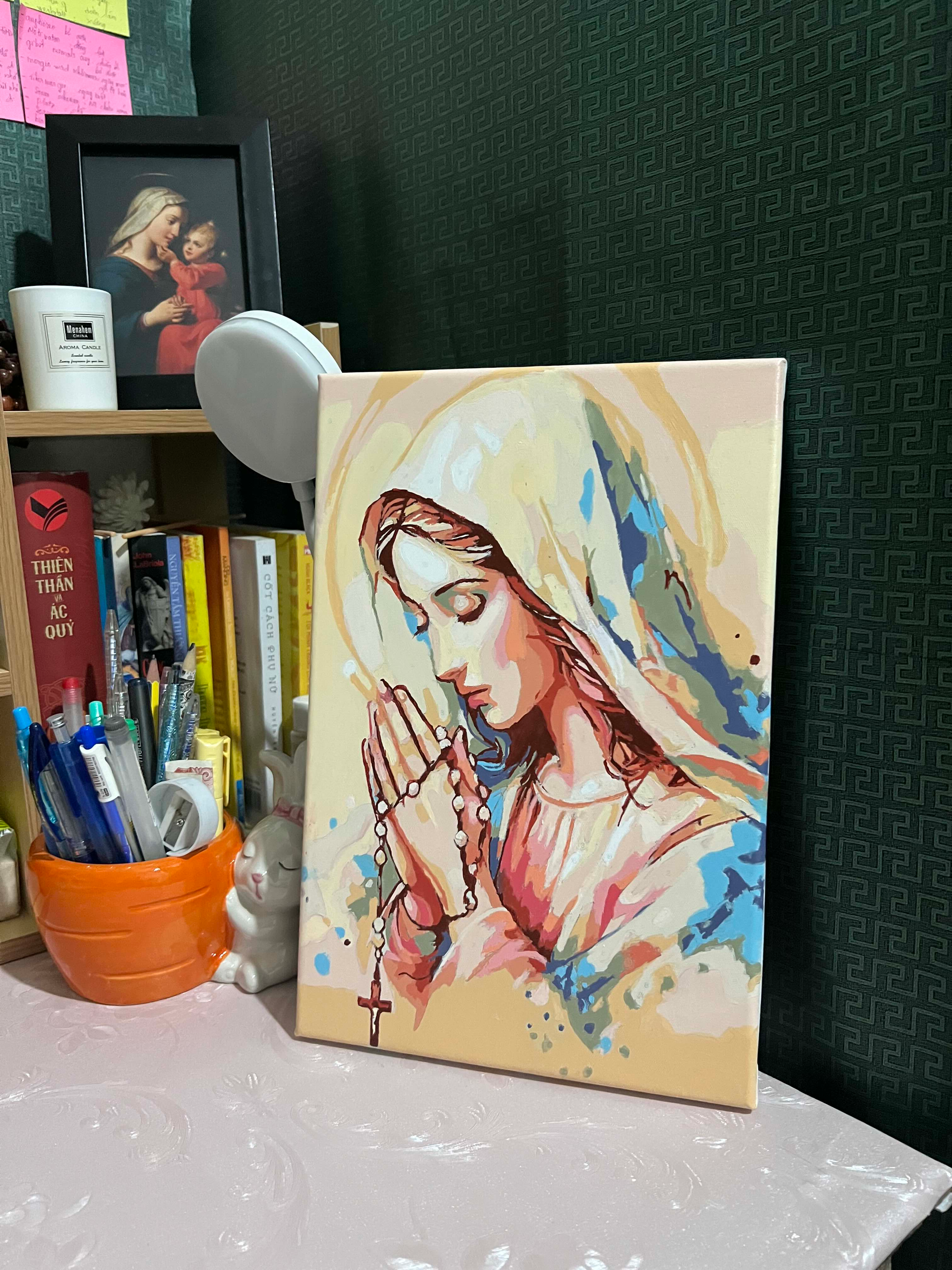
The popularity of Paint By Numbers continues to rise worldwide. From a personal stress‑relief hobby to a dropshipping business on Shopify, and from custom portrait gifts to bulk wholesale, this seemingly “small but beautiful” market has attracted many entrepreneurs and investors.
I recently analyzed a blog about how to choose a Paint By Numbers supplier. That article did a solid job covering the basics – product components, popular themes, supplier screening steps, etc. But if you’re truly planning to invest real money into this business, reading just one optimistic guide is not enough.
Today, I will expand on that blog by adding several more practical – and even slightly “reality‑check” – steps. Doing this homework upfront will help you avoid most of the common pitfalls newcomers face. At the end of this article, speaking as a supplier, I will also reveal a critical success factor that is often overlooked – shipping reliability.
1. Don’t Just Trust “Market Growth” – Look Up the Data Yourself
The original blog mentioned that the market is growing significantly, which is true. But as an entrepreneur, you need concrete evidence to support your decisions.
Take one hour to do the following research:
-
Open Google Trends, search for “Paint By Numbers”, and check the search interest over the past five years. Note any seasonal peaks (usually two months before holidays).
-
On Amazon or Etsy, search for “custom paint by numbers”. Look at the monthly sales, review counts, and price ranges of top products. This directly reflects real consumer demand.
-
If possible, buy an industry report (e.g., on the global arts & crafts market), or at least read category trend analyses from major DIY e‑commerce platforms.
Why is this important?
A “hot” trend without data might be short‑lived. Confirming whether the market is truly growing or just being hyped by a few marketing articles will determine whether it’s worth your investment.
2. Always Request Samples – And Do “Destructive Testing”
The original blog suggested requesting samples – that is excellent advice. But I’ll add one more thing: Looking at a sample is not enough. You need to use it, wait, and abuse it.
Here’s what to do:
-
Paint one yourself – Complete a kit. Feel whether the paint flows smoothly, whether the brush sheds bristles, and whether the printed numbers can be covered. Some cheap kits print numbers too dark – you can still see them after painting, which ruins the result.
-
Let it sit for a month – Hang the finished piece where it gets natural light. Check for fading. Low‑quality acrylic paints may turn yellow or fade within two weeks.
-
Test shipping durability – Ask the supplier to send the sample without extra protective packaging. See if the canvas gets permanent creases or if the paint pots leak during transit.
-
Smell the paint – Some low‑cost paints have a sharp chemical odor, making them unsuitable for gifts or children’s products.
Why is this important?
What you sell is not just a painting – it’s an “experience.” A bad experience will destroy your store with returns and negative reviews.
3. The Legal Red Line You Cannot Ignore: Copyright & Right of Publicity
The original blog mentioned that custom photo‑to‑paint‑by‑numbers is a great profit point, but it didn’t warn you: Not every photo can be used commercially.
Example risk scenarios:
-
A customer uploads a Marvel superhero movie still – you turn it into a kit and charge money → infringes the movie studio’s copyright.
-
A customer uploads a public photo of a celebrity – you produce and sell it → infringes both the right of publicity and copyright.
-
A customer uploads a landscape photo they took, but the image contains a famous artist’s street graffiti – still potentially infringing.
I suggest three lines of defense:
-
On your custom order page, clearly state that the user guarantees they own all rights to the photo and agrees to indemnify you against any infringement claims.
-
Manually review and reject suspicious images (well‑known IPs, celebrities, other people’s artworks).
-
Spend a small amount to consult a lawyer (a few hundred dollars can get you a basic e‑commerce legal opinion) about the specific regulations in your target country or market.
Why is this important?
A small seller may not be sued immediately by a big company, but receiving an infringement takedown notice or even a store ban from the platform will cost far more than a single lost order.
4. Calculate Hidden Costs – Don’t Only Look at the Kit Unit Price
Many beginners compare only the ex‑factory price per kit. But the major costs in this business often come later.
You need to calculate the landed total cost + fulfillment cost:
-
Shipping cost – Rolling canvas tubes are cheaper to ship but prone to creasing; flat boxes cost more but provide a better customer experience. For dropshipping, cross‑border shipping can be $5‑8 per kit.
-
Return loss – Paint is considered a liquid, and many logistics providers do not accept returns. If a customer is unsatisfied, you might refund without a return, losing the product cost.
-
Customer service cost – Custom orders require repeated image confirmation, so CS workload is much higher than for standard products.
-
Marketing cost – The Paint By Numbers market is competitive. It’s hard to get orders without advertising. Facebook Ads or Amazon PPC clicks will eat into your margin.
Create a simple profit simulation sheet that includes: kit cost + domestic/international shipping + platform commission + estimated ad spend + return provision (e.g., 5%). Compare this to your expected selling price. If the gross margin is below 30%, reconsider your pricing or look for more affordable shipping solutions.
5. Plan for Seasonal Inventory & Cash Flow in Advance
Paint By Numbers has clear peak seasons:
-
November–December (Christmas gifts)
-
January–February (Valentine’s Day, Chinese New Year custom gifts)
-
The month before Mother’s Day and Father’s Day
Sales during peak season can be 3‑5 times higher than normal, but supplier lead times also lengthen. If you do dropshipping, you must ask: Can you guarantee dispatch within 7 days during peak season? If you hold small inventory, you need to place orders 2‑3 months in advance, tying up cash flow.
Recommendations:
-
Agree on a tiered delivery schedule with your supplier – don’t place orders only two weeks before the peak season.
-
For your first trial, don’t bet on a single hot product. Test 3‑5 different styles (landscape, animal, abstract, custom) to gauge market demand.
-
Always keep at least one month’s working capital to handle unexpected issues (e.g., shipping delays, quality complaints requiring re‑shipment).
6. A Reliable Partner: How We Solve the “Shipping Timeliness” Problem
After you finish the five steps above, many entrepreneurs find that the most painful issue is – suppliers ship slowly, delay orders during peak season, and fail to meet promised deadlines. Customers leave bad reviews or request refunds because they receive the kit too late, leaving you stuck between the customer and the supplier.
As a supplier specializing in Paint By Numbers wholesale and dropshipping, we make the following commitments to you:
-
Dispatch within 48 hours of order placement (72 hours for custom orders, depending on complexity) – the same standard all year round, including peak seasons.
-
Pre‑peak stocking – We proactively stock popular canvases, paints, and packaging materials based on your historical sales, so we never run out.
-
Trackable logistics – We provide end‑to‑end tracking numbers from domestic pickup to final delivery, supporting automatic synchronization with Shopify, Etsy, and other platforms.
-
Custom orders without slowdown – We use an automated photo‑to‑paint‑by‑numbers color separation system, combined with manual review, so custom orders take no more than 20% longer than standard orders.
-
Proactive communication – If any unusual situation might cause a delay (e.g., logistics hub congestion, customs inspection), we will notify you immediately and propose alternative solutions – we never hide or delay the news.
Why can we deliver?
Because we started as a Paint By Numbers manufacturer. We own our factory and have stable production lines for printing, paint filling, and packing. We do not rely on third‑party subcontractors, giving us full control over every step of the timeline. In addition, we maintain a dynamic inventory buffer for our dropshipping clients, so even sudden order surges can be handled smoothly.
How to work with us?
Whether you want to start a dropshipping store on Shopify or need small‑batch custom samples for a trial, we offer:
-
Free sample requests (you only pay shipping)
-
No minimum order quantity for dropshipping
-
7×12 hour customer support in Chinese and English
You can reach us using the contact information at the end of this article, or leave your request in the comments section. We are ready to be the most punctual part of your Paint By Numbers business.
Conclusion: Stay Optimistic, Act Calmly, and Choose the Right Partner
The Paint By Numbers market is indeed full of potential – it is a “healing and timeless” art form and an e‑commerce project with a relatively low entry barrier for ordinary people.
But every promising business is built on details. From data research, physical testing, legal compliance, to cost calculation and inventory management – each piece of homework you do reduces your chance of failure by a little. And choosing a truly reliable supplier for shipping timeliness is the last mile that turns your efforts into satisfied customers.
If you are already exploring the Paint By Numbers market, start ticking off the six steps above today. When you’re done, you will find that you have not only chosen the right product but also become a more professional operator – and found a long‑term partner you can trust.
Have you ever run a Paint By Numbers business? Or encountered shipping “pits” when choosing a supplier? Feel free to share your experience in the comments. We will reply to collaboration inquiries there as well.
